
Once and for All - What Clawdbot Actually Is and Why It's Not Claude Code
The confusion between Clawdbot and Claude Code is one of the most common misunderstandings in the AI developer community. They have similar names, both involve Claude, and both help with coding, but they're fundamentally different tools built for different purposes. This article settles the debate once and for all with a clear technical comparison.
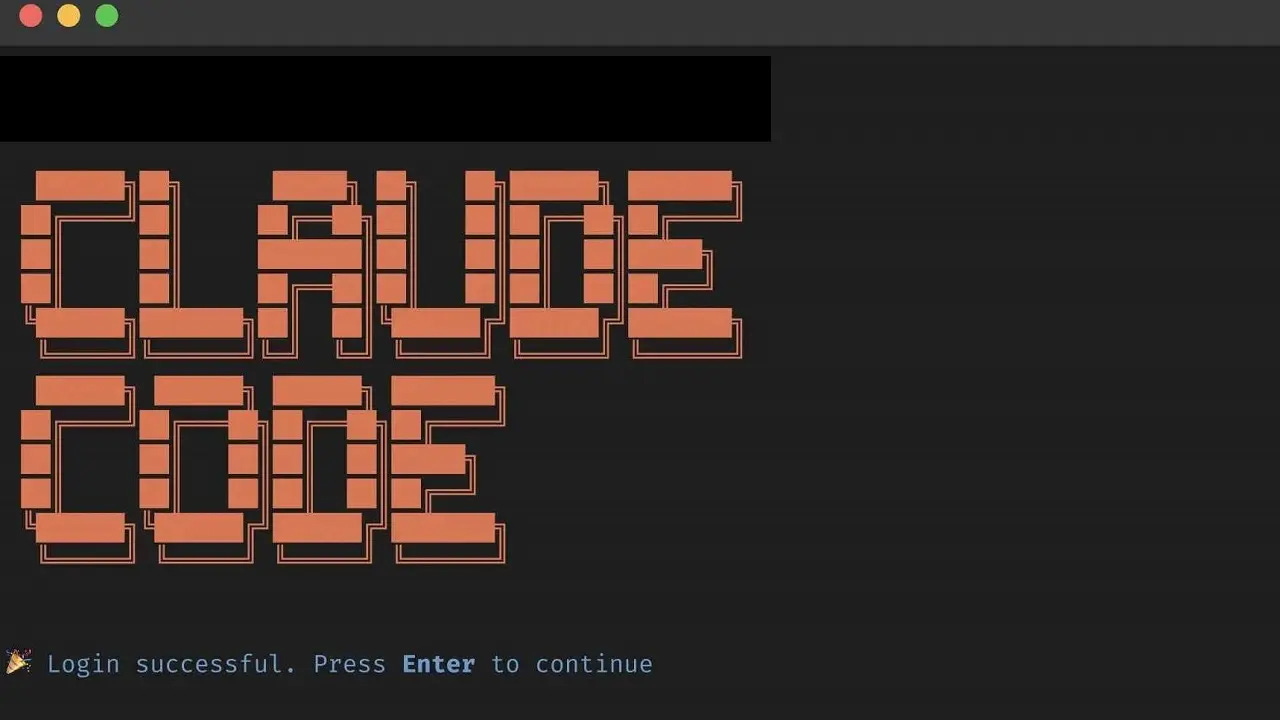
Claude Code is Anthropic's official agentic coding tool. It runs in your terminal, has full access to your local file system, can execute shell commands, edit files, run tests, and operate as an autonomous coding agent. It's designed for professional software development, building features, debugging, refactoring, managing git workflows. Think of it as an AI pair programmer that sits in your terminal with full access to your development environment. Claude Code is a product built and maintained by Anthropic.
Clawdbot is a different tool entirely, a community-built Discord bot that brings Claude's conversational abilities to Discord servers. It's designed for group AI interactions, community Q&A, and collaborative conversations within Discord. It doesn't have file system access, can't edit your code, and doesn't run in a terminal. The article provides a detailed feature-by-feature comparison table covering capabilities, access model, use cases, pricing, and limitations. The practical guidance is simple: use Claude Code when you're building software and need an AI agent in your development environment. Use Clawdbot when you want Claude's intelligence available in your Discord community. They complement each other rather than competing.
TL;DR
Clearing up the confusion between Clawdbot and Claude Code, what each tool does, how they differ, and when to use which.
Key Takeaways
Claude Code is Anthropic's official terminal-based coding agent, it reads files, executes commands, edits code, and runs tests autonomously.
Clawdbot is a community-built Discord bot that brings Claude's conversational AI to Discord servers for group interactions.
They serve completely different use cases: Claude Code for software development, Clawdbot for community Q&A and Discord conversations.
The tools complement each other, use Claude Code in your IDE/terminal, Clawdbot in your Discord community.
Just published a blogpost two days ago, but could not stay still and not cover this crazy hype. there you go:
There’s a lot of confusion floating around right now. Developers see Clawdbot trending everywhere, they hear it called “Jarvis,” they watch demos of it managing email and booking flights, and then they wonder why they can’t use it the same way they use Claude Code for their development workflows. The comparison seems logical on the surface, but it’s actually pointing you in the wrong direction.
Both tools leverage AI models to take actions on your behalf. Both run locally on your computer. Both integrate with external services. So naturally, people assume they’re competitors, or that one should replace the other. But that assumption is costing teams time and energy trying to force a round peg into a square hole.
Let me clear this up with a practical framework that helps you understand what each tool actually does and when to reach for it.
What Claude Code Actually Is
Claude Code is fundamentally different from Clawdbot in purpose and design. It’s a terminal-focused tool built specifically for developers who need to work with code at scale. Think of it as hiring a junior developer who can read your entire codebase at once, understand how all the pieces fit together across multiple files, and then make coordinated changes across your project.
Claude Code specializes in understanding context across large repositories. It handles multi-file refactoring, tests complex logic, debugs issues by running code and reading error output, and iterates on problems. It’s designed to sit inside your development workflow, staying in your terminal or IDE where you already spend your time.
The session-based nature matters here. When you close your Claude Code session, the conversation ends. The next time you open it, you start fresh. That’s actually a feature, not a limitation, because development workflows are typically project-focused and compartmentalized. Code lives in repositories, documentation, and commit history where the model can access it directly.
What Clawdbot Actually Is
Clawdbot is built for something completely different. Think of it as a personal executive assistant that lives inside your messaging apps. Just like you’d email instructions to a real assistant who then handles the work while you focus on other things, Clawdbot receives natural language requests through WhatsApp, Telegram, Slack, or Discord and then executes actual tasks on your computer.
The key difference from a chatbot is action. ChatGPT or Claude will tell you how to organize your email inbox. Clawdbot will organize it for you and send you a summary. You ask it to prepare a meeting agenda, and it actually pulls information from your calendar, researches the attendees, drafts talking points, and drops them into your notes app.
It maintains persistent memory across conversations, so it remembers your preferences, past decisions, and ongoing projects. It can monitor scheduled tasks, send you proactive notifications, and continuously work on long-running tasks even when you’re not actively messaging it.
Clawdbot connects to dozens of services by default: Gmail, Google Calendar, Todoist, GitHub, Spotify, even smart home devices. When it needs capabilities it doesn’t have built in, it can request them, and with proper guidance from you, it can expand those capabilities itself.
The Core Difference in Architecture
Here’s where the distinction becomes crystal clear. Claude Code is built for focused, deep work on specific problems within a constrained scope. It’s the tool you use when you need to understand a codebase deeply, make coordinated changes across multiple files, and verify everything works together. It’s designed for flow states and concentrated problem solving.
Clawdbot is built for async, long-running, continuous tasks that exist across your entire digital life. It’s the tool that monitors your inbox at midnight, processes information while you sleep, and sends you a briefing in the morning. It’s designed to be always on, always learning your preferences, always available through the messaging apps where you already live.
To use another analogy, Claude Code is like having a technical consultant in the room specifically for when you’re wrestling with an architectural problem or a complex refactor. Clawdbot is like having a home office manager who handles everything from correspondence to scheduling to organizing your digital life.
The Memory and Continuity
Claude Code resets memory after each session. That’s by design. Development workflows don’t typically need to carry context forward because code lives in repositories, documentation, and commit history. The model can see all that context directly when it reads your codebase.
Clawdbot’s superpower is persistent memory. Every conversation you have with it, every preference you state, every decision you make gets stored in a markdown file that evolves over time. Future requests pull relevant context from that history automatically. You don’t have to remind it of things.
For Clawdbot’s use cases, persistent memory is essential. It needs to remember that you prefer morning briefings at 8 AM, that you want to automatically decline recruiter emails, that certain types of notifications matter while others don’t. For Claude Code’s use cases, session memory is actually cleaner because the problem domain changes with each task.
Security Considerations
Claude Code has a particular threat model. It also executes code, but it does so in a more constrained context. You’re actively watching the terminal. The tool runs interactively, not in the background. You can review changes before they’re committed to version control. It has injection risks too, but they’re scoped to development operations, which is a narrower blast radius.
Clawdbot requires elevated system permissions to do what it does. It needs to read and write files, execute shell commands, access your terminal, connect to services on your behalf. Running an always-on agent with access to your credentials, your messaging platforms, and your file system creates security surface area that’s worth understanding.
Many security-conscious teams deploy Clawdbot on dedicated hardware, like a Mac mini specifically designated for automation. This isolates risk. If something goes wrong, the damage is contained to that machine rather than your main production device.
Clawdbot’s power to access messaging platforms means anyone with a security compromise at any layer could potentially impersonate you to the agent. A prompt injection through a web page it’s browsing, a malicious message in a group chat, or a crafted email could theoretically redirect it toward unintended actions. Proper sandboxing and permission boundaries mitigate this, but they require genuine technical discipline.
The Real Decision Framework
Use Claude Code when your primary bottleneck is code. You need to refactor a complex system, debug across multiple files, understand how components interact, or generate large amounts of code while maintaining consistency across a repository. You want deep codebase comprehension and coordinated multi-file changes. You’re actively working in a development environment.
Use Clawdbot when your primary bottleneck is the accumulation of small tasks across your digital life. You want email management, calendar coordination, scheduling, research, and automation that operates independently from your primary work. You need an assistant that’s available through messaging apps you already use. You want persistent memory of your preferences and workflows.
Some teams run both. Claude Code handles development velocity during focused coding sessions. Clawdbot handles everything else, from email to calendar to research, working in the background and available from anywhere. The tools serve different masters.
Real Limitations
Claude Code has session limitations. You can’t hand it a month-long project and come back later to check progress. Each session is independent. For development work that’s tightly scoped, that’s fine. For continuous background operations, that’s a mismatch.
Clawdbot requires technical setup. You need to deploy it on a server or local machine, configure messaging platform integration, manage API keys, and set permission boundaries thoughtfully. It’s not a consumer app. You can’t open an app store, tap install, and have it ready. That’s a real friction point that’s worth acknowledging.
Both tools can be expensive if not managed carefully. Claude Code charges per token used. Running it continuously against large codebases burns tokens fast. Clawdbot uses AI APIs on every interaction and every background task. Costs accumulate.
Related Tutorials
Free Resources
Download free guides, cheatsheets, and templates curated from 130+ tutorials on RAG, AI Agents, and Prompt Engineering.
Also available on Substack
Prefer Substack? This article is also on our newsletter, read by 40K+ AI engineers.
Related Articles
You're Using Claude Code Wrong (And Wasting Hours Every Day)
Most developers use Claude Code like a fancy autocomplete. Here's how to unlock its full potential and 10x your productivity.
Stop Thinking Claude Code Is Magic. Here's How It Actually Works
A technical breakdown of how Claude Code works under the hood, from context management to tool use patterns and system prompts.
The Hidden Algorithms Powering Your Coding Assistant
What's really happening behind the scenes when your AI coding assistant generates code, the retrieval, ranking, and generation pipeline explained.
Get More AI Insights Weekly
Join 40K+ AI engineers getting deep dives on agents, RAG, and prompt engineering every week.